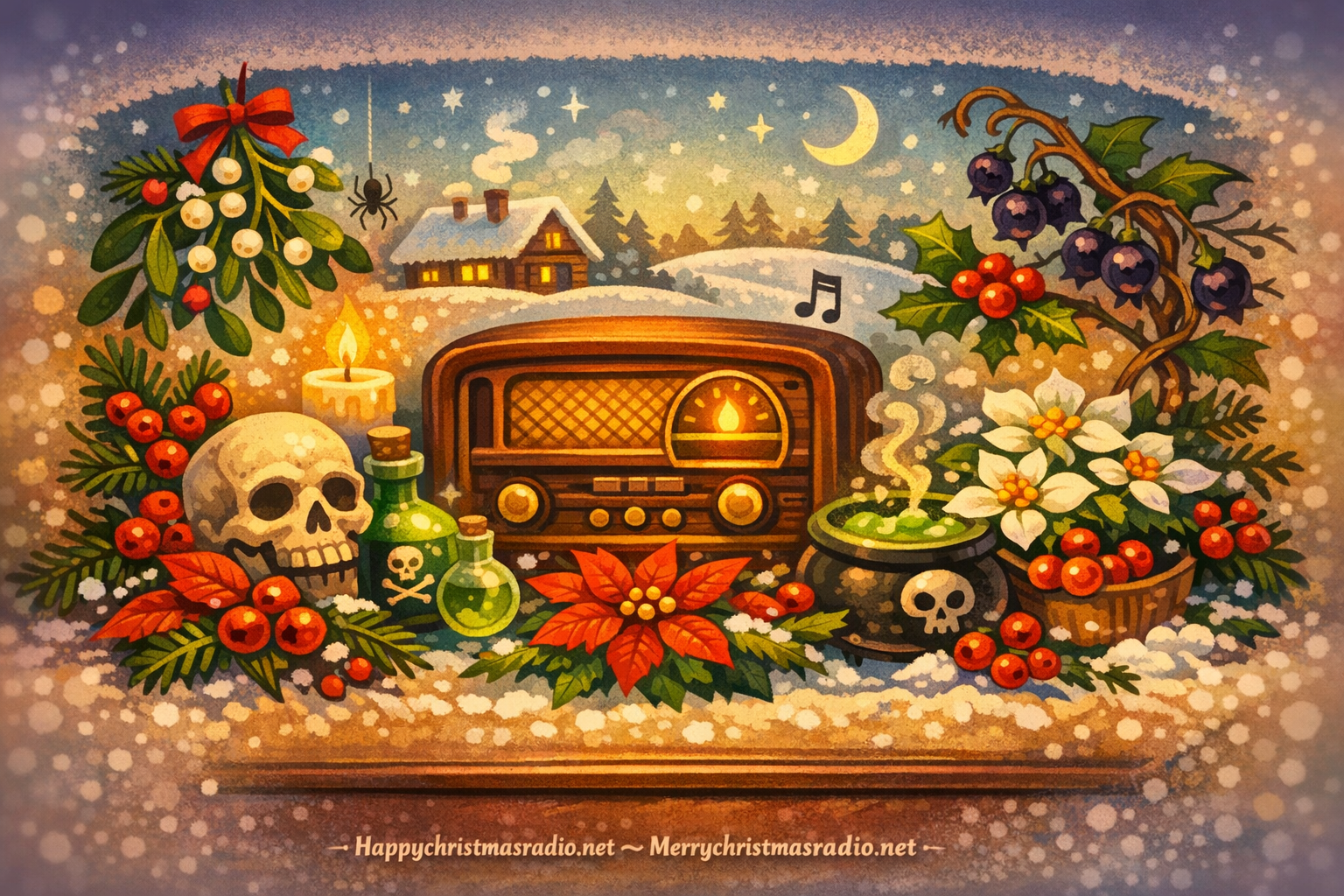
Introduction to Christmas Plants
As the holiday season approaches, homes across the world are adorned with vibrant decorations, twinkling lights, and of course, an array of festive plants. While many of these plants symbolize joy and celebration, some carry a dark reputation as poisonous. Join us as we explore the fascinating history of these infamous Christmas plants and their significance during the holiday season.
Mistletoe: A Symbol of Love and Danger
Mistletoe has long been associated with Christmas traditions, particularly the custom of kissing beneath its leafy branches. However, this beloved plant harbors a toxic secret. The white berries of mistletoe contain viscotoxin, which can be harmful if ingested. Historically, ancient cultures revered mistletoe for its mystical properties, believing it could ward off evil spirits and promote fertility. Despite its toxic nature, the traditions surrounding mistletoe have endured, reminding us that even the most dangerous plants can be intertwined with love and celebration.
Poinsettias: The Controversial Holiday Favorite
Another Christmas staple is the poinsettia, known for its striking red and green foliage. For years, myths have circulated about the plant's toxicity, with some claiming that it can be deadly to pets and children. In reality, while poinsettias can cause mild irritation, they are not as harmful as once thought. The plant's origins date back to Mexico, where it was associated with the Christmas season long before it became a holiday favorite in the United States. The poinsettia's journey from a cultural symbol to a festive decoration highlights the evolution of holiday traditions and the importance of understanding the plants we bring into our homes.
Holly: A Festive Yet Toxic Companion
Holly is another iconic Christmas plant, often used to decorate wreaths and garlands. Its glossy, spiky leaves and bright red berries make it visually appealing, but it too has a toxic side. The berries contain compounds that can lead to nausea and vomiting if consumed. Despite this, holly has been celebrated for centuries, dating back to ancient Rome and Celtic traditions as a symbol of protection and goodwill. Its significance during the holiday season serves as a reminder of the balance between beauty and danger in nature.
Conclusion: Embracing the Beauty and Caution of Christmas Plants
As you decorate your home for the holidays, it's essential to appreciate the rich history behind the Christmas plants you choose. While some may have poisonous qualities, they also hold captivating stories that connect us to traditions of love, protection, and celebration. So, as you hang mistletoe or arrange your poinsettias, remember to enjoy the beauty while staying mindful of their potential risks. Happy holidays!